An Ode to St Kilda
St Kilda has always done things its own way, which is another way of saying it has never entirely behaved itself.
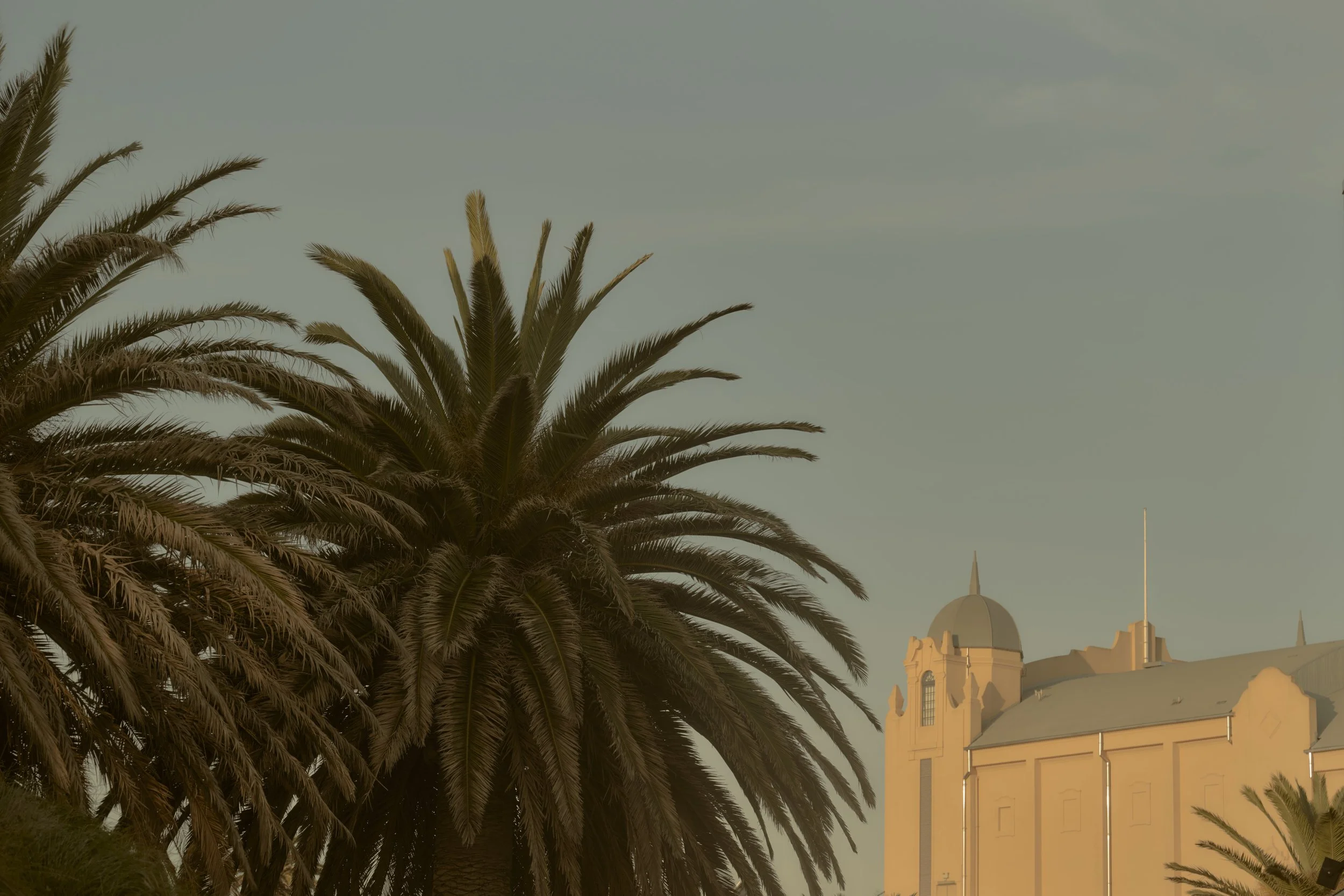
This has always been a place to come down and loosen a button. The trams grind towards the water past Deco buildings and palm trees that have somehow survived the wind, the traffic and a century of questionable decisions. There is the Palais, incongruous and magnificent, and Luna Park, still grinning like it knows something, always watching. And then, abruptly, there is the sea.
St Kilda couldn’t exist anywhere else. It needs the sea. Somewhere to swim, to wash off the city, to forget what time it is and occasionally what you were supposed to be doing.
People have always come here looking for something - usually pleasure, occasionally themselves. A swim, a dance, a drink, dinner, a band, another drink, a walk home that became sunrise.
The Esplanade has accommodated promenades and protests, ballrooms and band rooms, beautiful people, strange people, families with towels, runners with watches, musicians with nowhere particular to be and generations of Melburnians who came down for the afternoon and somehow misplaced the evening.
This has never been a suburb especially interested in perfection. Thank God.
Its beauty is in the collision: grandeur beside grit, salt in the city air, old Melbourne refusing to leave while the new one arrives and pulls up a chair. It can be glamorous and ridiculous, elegant and dishevelled, sometimes within twenty metres.
And then the light changes.
The bay goes gold, the palms turn black against the sky and for a little while St Kilda performs the trick it has been performing for generations: making the city behind you feel further away than it really is.
Places change, of course they do, but Melbourne still comes down here to meet the sea.